Cliché Month: Read Between the Lines 🧩
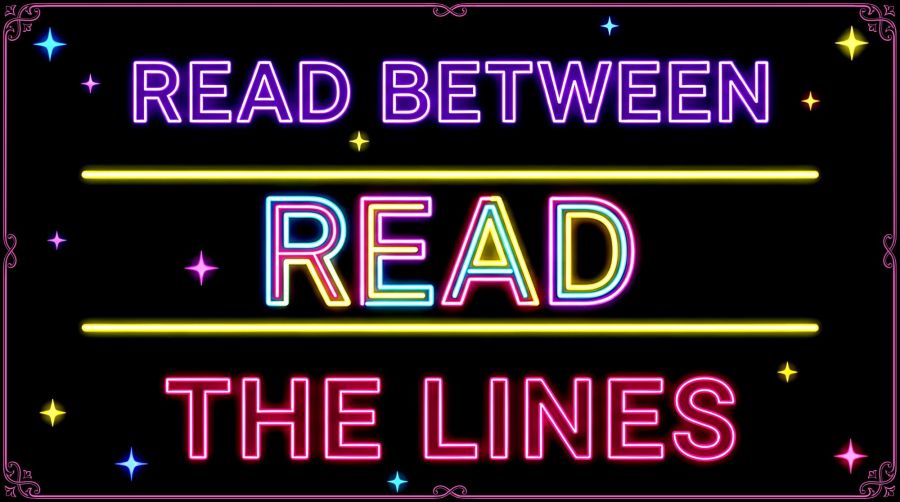
It’s a cliché AND a game! What more could we want, right? And though I planned something simple for a relaxing Sabbath weekend, I ended up having to learn some new things, but I’m very happy to share a cool new trick at the bottom. After you look at the rebus puzzles to try and figure them out, you can click to reveal the answers. And this is so much easier than trying to print upside-down text like I tried first. 🙃
So for this cliché, it’s a phrase we all the time whenever we sense some kind of unspoken truth lurking beneath polite conversation. To “read between the lines” is human nature’s built-in radar for deciphering what is meant beyond what is merely said. But long before it became a way to “hear” the subtext in everyday dialogue, reading between the lines was a literal, tradecraft—essential for wartime communication, diplomacy, and survival.
Invisible Ink and Wartime Grids
The idiom traces back to the mid-nineteenth century and has direct roots in cryptography and steganography. Military couriers, spies, and clandestine correspondents needed ways to transport secret directives through enemy territory without raising suspicion. The solution was deceptively simple: write an ordinary, innocuous letter with unusually wide gaps between the lines of text.
In the blank space between those visible sentences, the author penned the real message using sympathetic, or invisible, ink made from organic acids like lemon juice, milk, cobalt chloride, or vinegar. To an officer who tried to intercept the message, the parchment appeared to carry a simple, and maybe even mundane, missive. But once the intended recipient exposed the paper to heat, a candle flame, or a specific chemical wash, the hidden writing would darken and reveal itself. If you did not know to literally read between the lines, you would miss the mission entirely.
A similar tactic relied on physical cutout masks known as Cardan grilles. When a recipient placed a custom stencil over a lengthy, seemingly boring letter, only specific words from alternating lines were visible through the cutouts, spelling out the real message.
Not by Words, But by Things
Visual rebuses operate on that exact same creative frequency—they challenge our eyes and minds to decipher hidden meaning from spatial placement rather than literal text alone. The word rebus originates from the Latin phrase non verbis, sed rebus, meaning “not by words, but by things.”
Originating during the Renaissance as intellectual parlor games across Europe, rebuses eventually evolved into the beloved graphic wordplay puzzles we know today. Placing a word in a specific direction, altering its size, or planting it firmly between physical boundaries forces our brains to decode subtext in a playful, visual way.
Try Your Hand at Deciphering
To celebrate the art of hidden messages, try solving the puzzle card below. Look at the spacing, arrangements, and word positions to unlock each common phrase or idiom.

Click here to reveal puzzle answers
1. For once in my life (four ones in my life)
2. Forget it
3. Try to understand
4. Travel overseas / Overseas travel
5. Breakfast
6. Downtown
7. Eyeshadow
8. Stepfather
9. Once upon a time
10. Potatoes (pot 8 O’s)
11. 3D movie
12. Top secret
Shabbat Shalom and let me know if you had fun with these. You can visit the ESL Vault Rebus Page for a bunch more free puzzles, and you can also find some rebus puzzles—including one called Read Between the Lines at the Google Play Store.
Share this post on:

My Latest Flickr Photos


Others’ Posts I’ve Liked


